
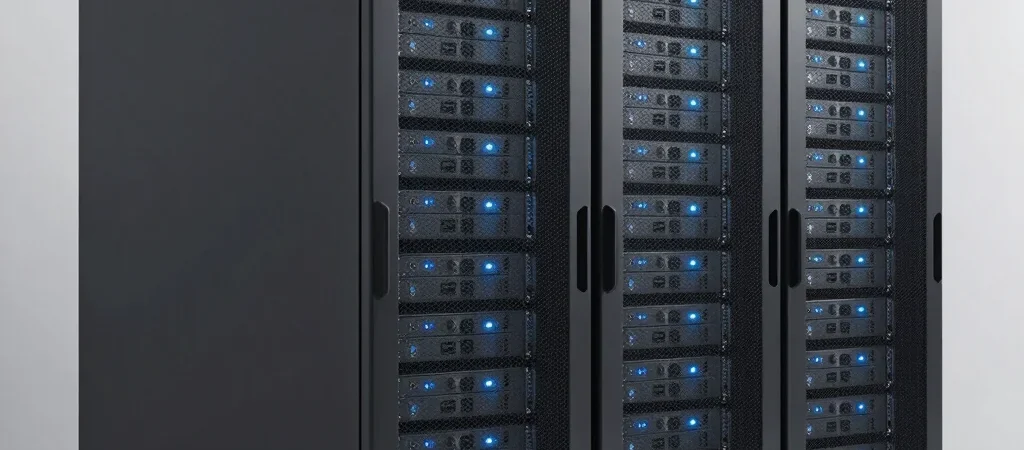
Centralized cloud infrastructure has served as the backbone of modern software ecosystems for over a decade. However, high-frequency data streaming and instant responsiveness demands are exposing structural bottlenecks in traditional server setups. Shifting computing tasks closer to data sources reduces latency while offering superior localized resilience.
Rethinking Modern Data Processing Topologies
Transferring gigabytes of telemetry data back to distant primary data centers creates cumulative latency overhead that modern applications simply cannot afford. Edge deployment distributes compute nodes directly near device endpoints, filtering raw input before broadcasting condensed signals to the core cloud.
This Hybrid approach minimizes outbound bandwidth consumption while keeping localized services operational even during major regional network outages. Teams that transition key workloads to local micro-nodes consistently achieve lower response times and reduced cloud transit costs.
Managing Distributed Node Complexity and Security
Moving compute power out of centralized environments inherently expands the potential attack surface. Edge nodes require hardware-level cryptographic key management, automated firmware patching, and strict zero-trust network policies to maintain integrity across scattered physical locations.
Practical Implementation Steps for Modern Engineering Teams
Transitioning to edge infrastructure should start with latency-critical subroutines rather than full application overhauls. Audit existing workload telemetry to identify isolated functions suitable for containerized edge runtime environments. By incrementally shifting stateless processing to the edge, engineering organizations gain operational clarity without introducing enterprise-wide risk.